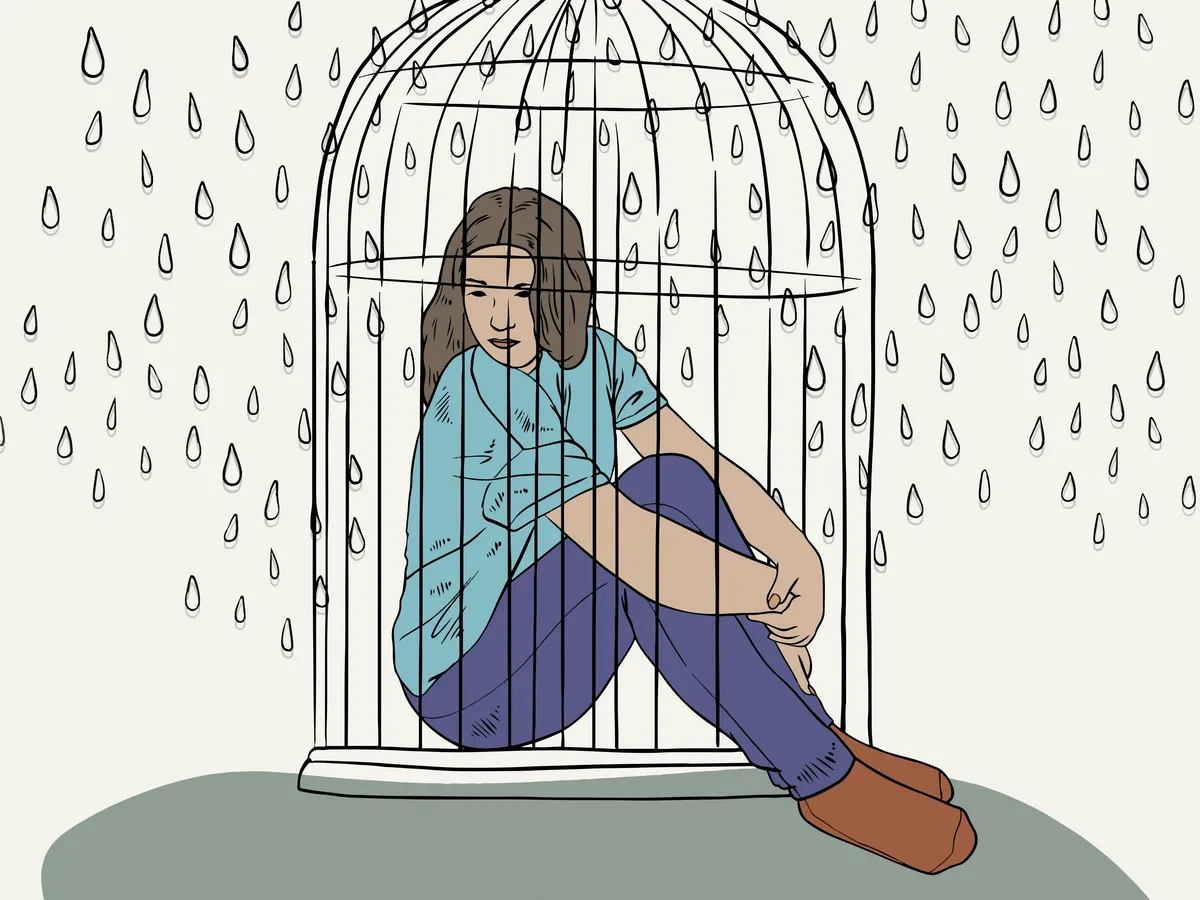
Most alcohol assessments are long. For example, the AUDIT has 10 questions. Clinical interviews can take 20 minutes. Even a GP appointment requires you to admit there's something worth discussing.
The CAGE assessment cuts through all of that with four simple questions.
Four questions that get to the heart of whether your drinking is actually a problem, regardless of how much you drink or how often. Four questions that don't care about units or frequency or whether you drink wine or whisky. Four questions that ask: does this feel wrong to you?
If you've been wondering whether your drinking is something you should be paying attention to, these four questions will give you an answer in about 30 seconds.
What Makes CAGE Different
Where most alcohol assessments measure quantity and frequency - how much, how often - CAGE measures something else entirely: your internal experience of your drinking.
It asks whether you've felt concerned, whether you've felt criticised, whether you've felt guilty, and whether you've needed alcohol to function. These aren't questions about drinks per week. They're questions about consequences and feelings.
That makes CAGE particularly good at cutting through denial. You can lie to yourself about how much you drink. You can convince yourself that six drinks isn't really that many, or that everyone drinks this much. But it's much harder to lie about whether you've felt guilty, or whether someone's expressed concern, or whether you've thought you should cut down.
CAGE doesn't let you hide behind "I only drink on weekends" or "I never drink spirits." It asks: does this feel like a problem to you? And if it does, it probably is.
The Four Questions
The assessment takes its name from the four areas it examines:
C - Cut down: Have you ever felt you should cut down on your drinking?
A - Annoyed: Have people annoyed you by criticising your drinking?
G - Guilty: Have you ever felt bad or guilty about your drinking?
E - Eye-opener: Have you ever had a drink first thing in the morning to steady your nerves or get rid of a hangover?
That's it. Four yes-or-no questions. No scales, no ranges, no "how many times in the past month." Just: has this happened?
Why These Questions Matter
Let's break down what each question is actually asking:
Cut down is asking whether you've had that little voice in your head that says "this is too much." Whether you've listened to it or not is irrelevant - the question is: have you heard it?
Annoyed is asking whether other people have noticed. If someone's mentioned your drinking and it irritated you rather than making you curious, that's worth paying attention to.
Guilty is asking whether drinking leaves you feeling bad about yourself. Not physically rough - emotionally bad. Shame, regret, disappointment in yourself.
Eye-opener is asking whether you need alcohol to function normally. Morning drinking to steady nerves or cure hangovers suggests physical or psychological dependence.
These aren't random questions. They map onto the key indicators of problematic drinking: loss of control, interpersonal consequences, emotional distress, and dependence.
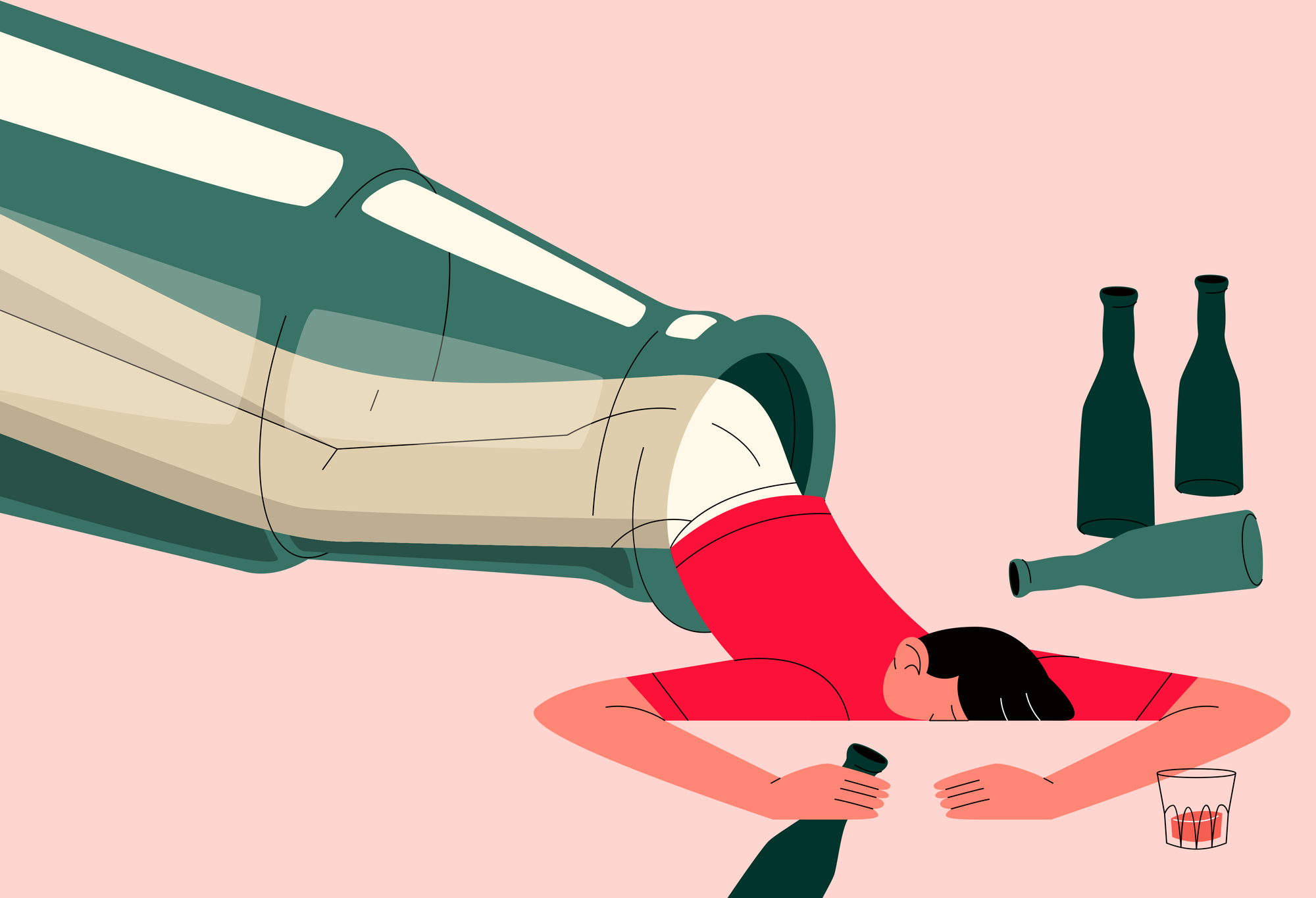
Take the Assessment
Answer honestly. Nobody sees your responses. This is just for you.
What Your Score Means
The power of CAGE is in its simplicity. You either answered yes to these questions, or you didn't. And if you did, that tells you something important.
The assessment gives you personalised feedback based on your score, but here's the basic framework:
No "yes" answers: Your drinking probably isn't causing significant concern right now.
One "yes" answer: Something about your drinking is bothering you or others. Worth examining.
Two or more "yes" answers: Your drinking is very likely a problem that deserves serious attention.
The Limitation Worth Knowing
CAGE is excellent at identifying people who already know (on some level) that their drinking is problematic. If you're feeling concerned, guilty, or criticised, CAGE will catch that.
But it's less good at catching people in the early stages who haven't yet experienced obvious consequences. You could be drinking more than is healthy and answer "no" to all four questions if you're not yet feeling guilty, if nobody's said anything, and if you haven't thought about cutting down.
That's why CAGE works best as either a quick gut check before doing a more comprehensive assessment like the AUDIT, or as a follow-up for people who scored low on other assessments but still feel uneasy about their drinking.
What To Do With Your Answer
If you answered "yes" to any of these questions, that's not a diagnosis. It's information.
It's your brain telling you that something about your relationship with alcohol doesn't feel right. Maybe you're drinking more than you want to. Maybe it's causing problems you don't want to keep having. Maybe you're not happy with who you are when you drink.
The question isn't "am I an alcoholic?" The question is: "do I want to feel better than I do right now?"
If the answer is yes, then doing something about your drinking is worth considering - not because you've failed some test, but because change could improve your life.
Next Steps
If you answered "yes" to one or more questions and you're ready to do something about it, you don't have to figure it out alone.
My sobriety coaching and Phenomenal Program help you change your relationship with alcohol from a place of intelligence and empowerment - not shame, not surrender, just practical, intentional change.
But first: be honest with yourself about those four questions. That's where everything starts.
Which question hit hardest for you?

Book a free discovery call. We'll talk honestly about where you are and whether my approach fits what you need.
If we're a good match, we'll work together. If not, we'll know and maybe I can point you toward someone or something else.
Either way, you'll have clarity about your next step.