

David Morrissey told Lauren Laverne something on Desert Island Discs this week that stopped me mid-scroll.
The actor - one of the most respected performers in British television - spoke openly about his alcoholism, and about how he got sober after 21 years of drinking. Not through a programme. Not through an intervention. Not through a moment of clarity in a treatment centre.
(You can read the full piece in The Guardian.)
He got sober because he’d held onto a phone number for two years. The number of a former colleague he knew was in Alcoholics Anonymous. He kept it. Didn’t use it. Kept it. And then one night - late, or very early, depending on how you look at it - when he was in what he called “a terrible, terrible state,” he called.
The man came round. Sat with him. And that was that.
Two years. He carried that number for two years!
I’ve been building something called Sol for the better part of a year. Sol is an AI companion - a conversational presence designed to support people who are worried about their drinking but aren’t ready to do anything formal about it yet. No programme. No diagnosis. No sitting in a circle.
When people ask me what Sol is for, I used to reach mostly for frameworks. Motivational interviewing. The FRAMES model. Pre-contemplation. I’d talk about the gap in formal services, the hidden majority of people whose drinking is causing them real harm but who would never describe themselves as alcoholic, never walk into a clinic, never pick up the phone to a helpline.
All of that is true. But David’s story is actually the much simpler answer.
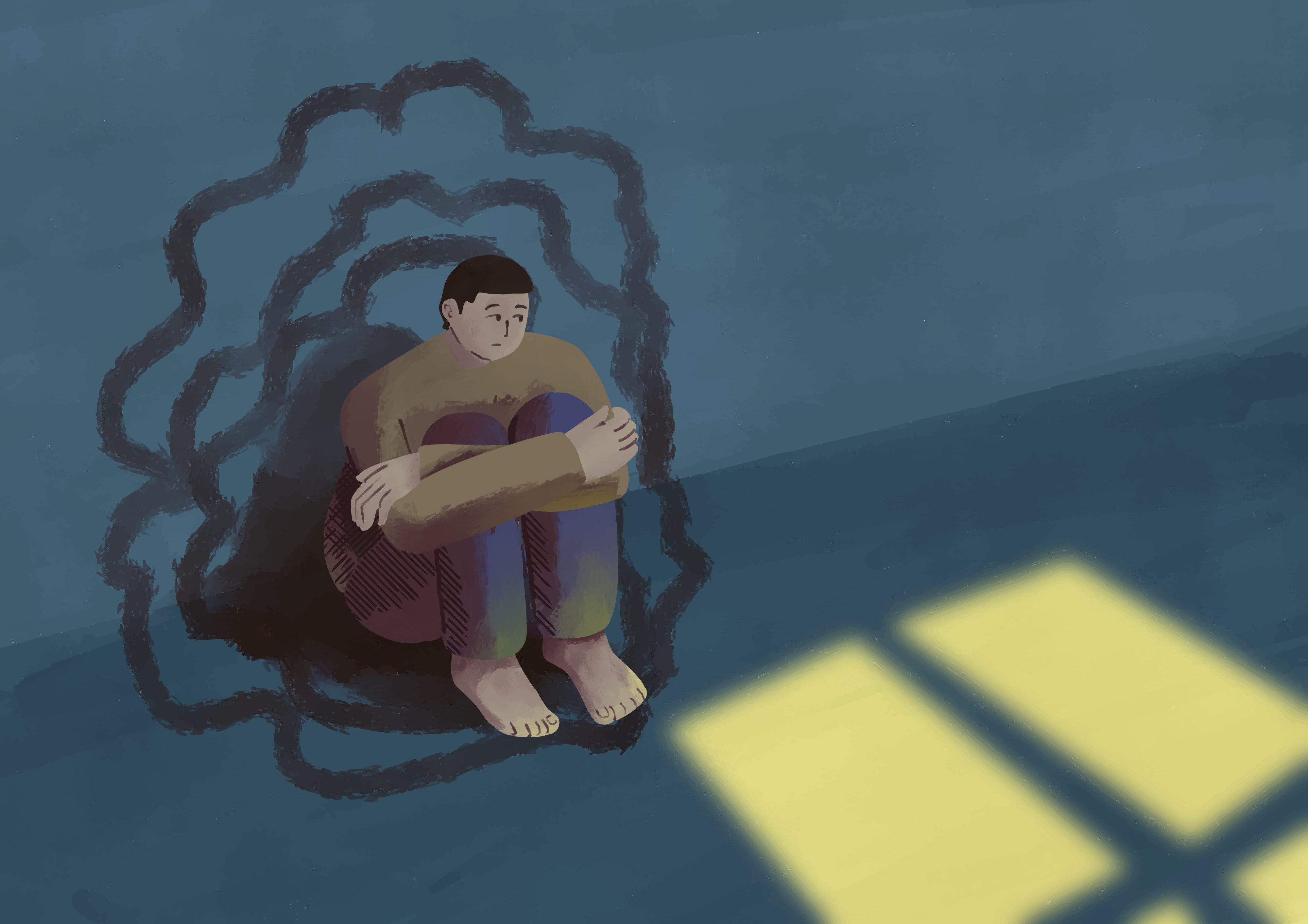
Sol is for the two years before the phone call.
Here’s what struck me most about what David said. It wasn’t the drinking itself - it was the reason for it.
“Drinking first was about anxiety. I’ve had this terrible social anxiety and that helped me get through it.”
He wasn’t drinking to celebrate. He wasn’t drinking to be convivial, as he put it. He was on his own in the pub, drinking to manage something internal that he didn’t have another way to manage. Anxiety. The kind that most people around him probably couldn’t see. The kind that, from the outside, just looks like a man having a drink.
This is the thing that gets missed in almost every public conversation about alcohol. We talk about it as a social problem - binge culture, rounds, peer pressure, lad culture - or we talk about it at the acute end: rock bottom, liver disease, losing everything.
But there’s an enormous, quiet middle. People who are drinking more than they want to. Who’ve tried cutting down and found it harder than they expected. Who are using alcohol the way David was using it - as a solution to something else entirely. Anxiety. Grief. The unnamed feeling that you’re not quite enough for your own life.
They’re not ready to say they have a problem. In many cases, they’d push back hard on that framing. But they know something isn’t right. They might have a phone number they’re not ready to call. They might have a browser tab they’ve opened and closed more than once.
That’s who I’m building Sol for.
I want to be honest about why this matters to me personally.
I’m an ex-addict. I’ve worked in advertising. I’ve run a coaching practice. I’ve spent years helping people and organisations tell their stories more effectively. And somewhere in that work, the question I kept coming back to was about the people who don’t come forward.
The ones who are suffering quietly and privately. Who’ve constructed a version of their life that looks fine from the outside. Who are smart enough and self-aware enough to know that something is wrong, but who aren’t at a place where asking for help feels possible. Or safe. Or like something that people like them do.
I think David describes this beautifully without meaning to. He talks about “hyper-independence” as a trauma response - this compulsion to cut the strings, to manage alone, to not need people. He left school at sixteen, struck out on his own, made himself. And then spent years unable to stop drinking, on his own in the pub, in “a terrible state” - and sat on a phone number for two years rather than make the call.
That’s not weakness. That’s a certain kind of person. Capable, self-sufficient, high-functioning in many ways, and privately struggling in a way they’d find very hard to admit.
I know that person. I’ve met them in coaching rooms. I’ve met them at dinner tables. I’ve probably met them in the mirror at various points.
Sol is built around the premise that the first step isn’t always asking for help. Sometimes the first step is just talking to someone who isn’t going to react, or judge, or tell you what you should do. Someone who will sit with you in it - the way his colleague came round and sat with him - without an agenda.
The difference is that Sol is available before the terrible state. Before 3am. Before two years of carrying a number you haven’t called.
David says something else that I find quietly profound. After he got sober, he didn’t stop being an alcoholic. His behaviour stayed self-destructive for a long time. What rescued him, he says, was his career. Work made him feel safe. Not in control - but safe. Like he was where he was supposed to be.
That word - safe - does a lot of work.
People don’t change when they feel cornered, or ashamed, or lectured at. They change - or begin to - when they feel safe enough to look honestly at what’s happening. Safe enough to admit, even just to themselves, that the thing they’ve been using to cope with life is starting to cost more than it gives.
Sol isn’t therapy. It isn’t treatment. It isn’t AA. It’s not trying to be any of those things, and it doesn’t replace them.
What Sol is trying to be is the thing that makes the conversation possible. The presence that meets you where you are, without requiring you to be anywhere else. That asks you questions rather than giving you answers. That takes you seriously without taking over.
In the first few minutes, I want the person talking to Sol to feel like they’ve found a friend. Not a clinician. Not a programme. Not a judgement.
A friend who happens to know a lot about this particular thing. Who’s been waiting for the call.
Sol is in beta right now - a small group of people testing it, helping shape it. We’re not far from a wider release.
If you work in addiction services, public health, or commissioning and you’re curious about what a pre-contemplation digital companion actually looks like in practice, I’d like to talk to you.
And if you recognise the person I’ve been describing in this piece - or you know someone who might - I’ll share more as we get closer to launch.
David carried that number for two years. Sol is trying to be the number you don’t have to wait two years to call.