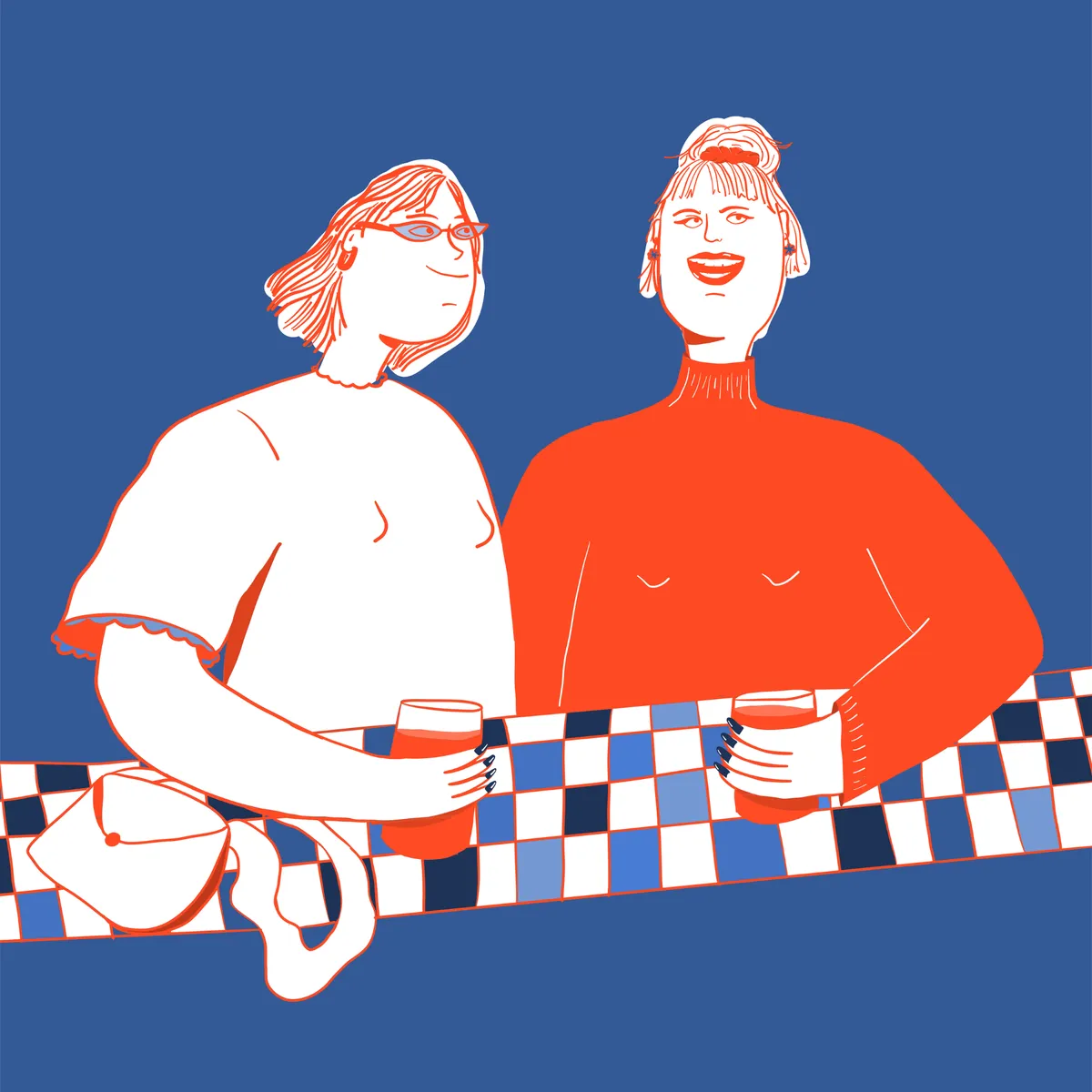
If you're newly sober or considering sobriety, social situations probably terrify you. They certainly did me!
Not because you can't function without alcohol. Because our entire social culture is built around drinking. Every celebration. Every networking event. Every casual Friday evening. Every wedding, birthday, work function.
Alcohol isn't just present. It's expected. Assumed. Central to the entire experience.
When you choose not to drink, you're opting out of a fundamental social script. This makes people uncomfortable. Which makes you uncomfortable about making them uncomfortable.
Let me show you how to navigate this without pretending it's easy.
The lie about social sobriety
Most advice about socialising sober falls into two categories: practical tips that treat it like a minor logistical challenge, or inspirational messages about how much better everything will be.
Sadly, both miss the actual difficulty.
The difficulty isn't figuring out what to hold in your hand at parties. It's managing the social friction that comes from being different. The questions. The pressure. The assumptions. The way your choice not to drink somehow becomes everyone else's business.
You're not just choosing a different beverage. You're challenging a cultural norm. People react to that challenge, often badly.
This is awkward. Uncomfortable. Sometimes genuinely difficult.
Pretending otherwise doesn't help. Acknowledging it does.
What actually happens at social events
Here's what nobody tells you about sober socialising: the first hour is excruciating.
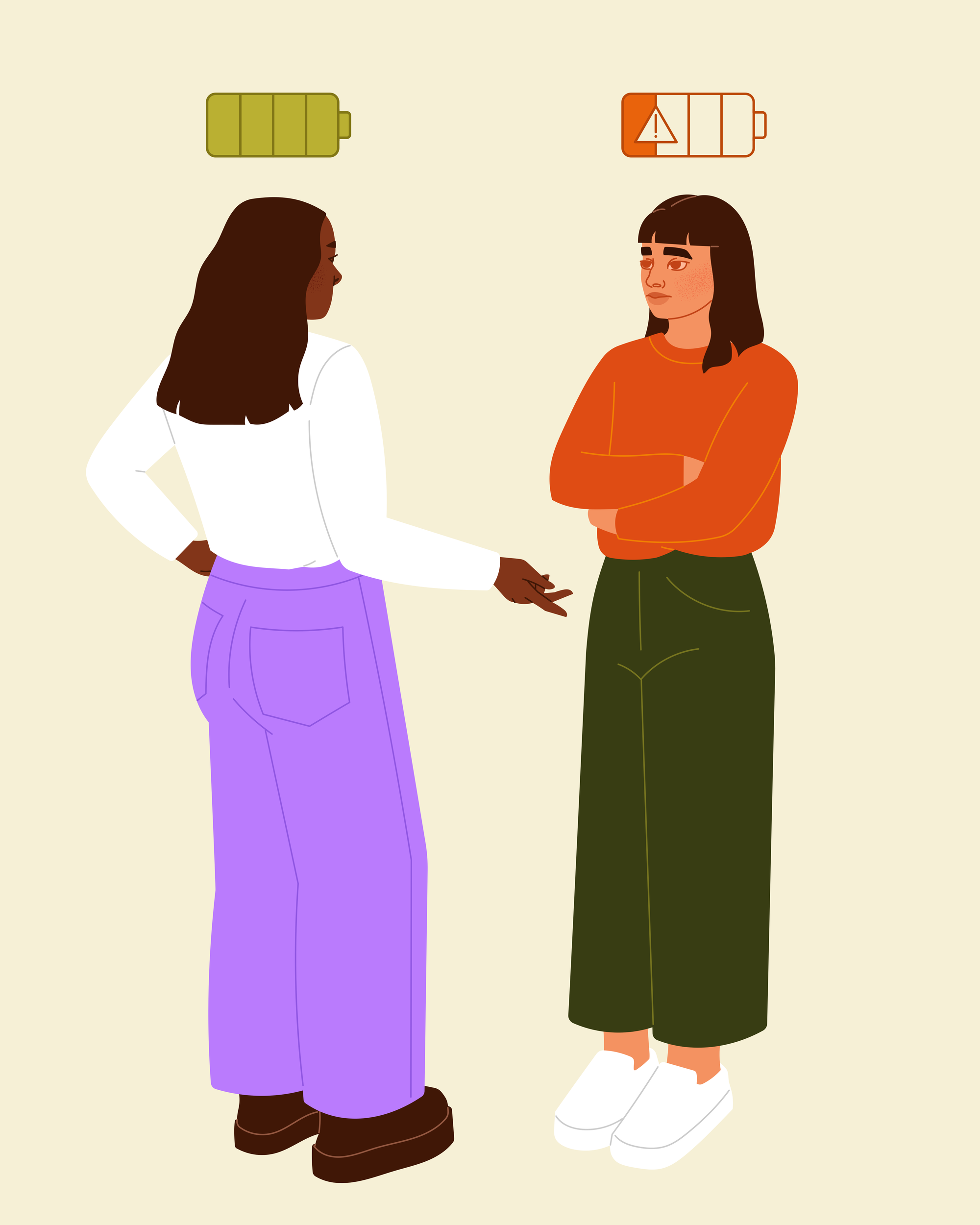
Everyone else is relaxing into their drinks. Becoming louder, looser, more animated. You're stone cold sober, acutely aware of every social nuance, hyperconscious of the fact that you're different.
The gap between your experience and everyone else's experience widens with each round of drinks. They're getting progressively drunker. You're getting progressively more aware of how drunk they're getting.
Conversations that seemed interesting when everyone was sober become repetitive and dull. Jokes that might have landed funny become tedious. People start saying things they'll regret tomorrow while you remember every word.
This is normal. This is also why so many people struggle to socialise sober.
You're experiencing the event completely differently than everyone around you. That difference is isolating.
The practical strategies that actually help
Let me be honest about what works and what doesn't.
Having a drink in your hand: Moderately useful. Reduces questions from strangers. Doesn't help with the fundamental discomfort of being sober while everyone else isn't.
Bringing your own beverages: Helpful if you actually enjoy non-alcoholic alternatives. Pointless if you're just trying to fit in. Nobody cares what's in your glass as much as you think they do.
Offering to drive: Genuinely useful. Gives you a clear, socially acceptable reason for not drinking that doesn't invite questions. Also gives you an excuse to leave when you've had enough.
Eating beforehand: Practical. Hunger makes everything harder. Being well-fed removes one variable from an already challenging situation.
Arriving late: Actually works. You skip the awkward early phase where everyone's sober and self-conscious. You arrive when the party's already energised and people are too drunk to care what you're drinking.
These tactics help marginally. They don't solve the fundamental problem: you're sober in a drunk environment and that's uncomfortable.
What to say when people ask
People will ask why you're not drinking. This is inevitable.
Most advice suggests having a prepared response. "I'm driving." "I have an early morning." "I'm on medication."
These work for strangers and acquaintances. They're deflections, not explanations.
With people who matter - friends, family, close colleagues - you need something more honest.
Not because they deserve your life story. Because deflection damages relationships. It creates distance. It signals that you don't trust them with truth.
What you say depends on your relationship and your comfort level. Options could be:
"I don't drink anymore. It wasn't serving me." Direct. Honest. Doesn't invite follow-up questions.
"I'm taking a break from alcohol to see how I feel." True if you're experimenting. Less definitive if you're not ready to commit publicly.
"Alcohol and I don't work well together." Vague but honest. Acknowledges a problem without specifying what kind.
The key is matching your honesty to the relationship. Close friends deserve real answers. Random acquaintances get polite deflection.
The social skills you suddenly need
Here's what nobody warns you about: without alcohol, you need actual social skills.
Alcohol is social lubricant. It makes awkward conversations feel natural. It lowers inhibitions so you say things you wouldn't say sober. It creates artificial confidence that makes networking feel effortless.
Remove alcohol and you're left with... yourself. Your actual social skills. Which might be underdeveloped if you've been relying on drinking to facilitate connection.
This means you have to learn or relearn how to:
Make small talk without chemical assistance. Ask questions. Show genuine interest. Navigate conversations that go nowhere without getting anxious about it.
Handle silence. Drunk people fill every silence with noise. Sober, you notice gaps in conversation. These gaps are normal. They feel excruciating until you accept them.
Read social cues accurately. Alcohol impairs your ability to read situations. Sober, you're suddenly hyperaware of every subtle signal. This can be overwhelming until you calibrate.
Manage social anxiety without numbing it. The anxiety doesn't disappear when you stop drinking. You just stop medicating it. You have to develop actual coping mechanisms.
These skills develop over time. They're not instant. Early sober socialising is often awkward because you're learning skills that alcohol previously masked.
The people who make it harder
Some people will actively make your sobriety difficult. Not maliciously. Just through their own discomfort with your choice.
They'll pressure you to drink. "Just one won't hurt." "Come on, don't be boring." "You're making everyone uncomfortable."
They'll question your decision. "Why? Are you an alcoholic?" "Did something happen?" "You're being dramatic."
They'll make it about themselves. "Are you judging me for drinking?" "Does this mean we can't hang out anymore?" "You're no fun sober."
These reactions aren't about you. They're about their relationship with alcohol and their discomfort with someone challenging the norm.
You don't owe them explanation. You don't owe them reassurance. You don't owe them anything beyond basic courtesy.
"I'm not drinking tonight" is a complete sentence. Anyone who can't accept that isn't actually your friend.
Finding your people
Here's the uncomfortable truth: you might need different friends.
Not because your current friends are bad people. Because if your entire social circle revolves around drinking, maintaining sobriety while staying in that circle is exhausting.
You can do it. Many people do. But it's hard. Constantly explaining yourself. Constantly being the different one. Constantly managing other people's reactions to your choice.
It's easier when you have friends who don't drink. Not necessarily recovering alcoholics. Just people for whom alcohol isn't central to socialising.
These friendships form around shared interests rather than shared substance use. Coffee dates. Hiking. Museum visits. Creative projects. Activities that don't require alcohol to be enjoyable.
This doesn't mean abandoning your drinking friends. It means expanding your circle to include people who make sobriety easier rather than harder.
What actually gets easier
Early sober socialising is difficult. This doesn't last forever.
Over time, several things improve:
Your social skills develop. You get better at navigating conversations, reading situations, managing anxiety without alcohol. The awkwardness decreases.
Your confidence builds. The first time you successfully socialise sober feels like a victory. The tenth time feels normal. The hundredth time, you forget it was ever difficult.
Your circle adjusts. Friends who can't accept your sobriety fade. Friends who support it become closer. New friendships form around shared values rather than shared drinking.
Your tolerance for drunk people changes. Initially, being around drunk people while sober is intensely annoying. Over time, you develop compassion. They're doing what you used to do. You remember. You stop judging.
The pressure reduces. Once people accept that you genuinely don't drink, they stop asking. Your sobriety becomes unremarkable. Just who you are.
This improvement isn't linear. Some events will always be harder than others. But the general trajectory moves toward easier.
When to leave
Here's permission you might need: you don't have to stay at social events that feel unbearable.
Alcohol culture says you should tough it out. Stay till the end. Don't be rude by leaving early. Don't miss anything.
Sobriety gives you different priorities. Your comfort matters more than social obligation.
If an event becomes intolerable - people are too drunk, you're too uncomfortable, the environment is triggering - leave. You don't need permission. You don't need an elaborate excuse.
"I'm heading out" is sufficient. Anyone who demands explanation isn't someone whose opinion matters.
Protecting your sobriety is more important than protecting anyone's feelings about your departure.
The activities that actually work
Most sober socialising advice suggests non-drinking activities. Museums. Hiking. Coffee shops.
This works if everyone involved genuinely wants to do those things. It fails if you're suggesting them as alcohol replacements rather than activities people actually enjoy.
Don't suggest hiking because it's alcohol-free. Suggest it because you genuinely want to hike with these people.
Don't propose museums because bars are triggering. Propose them because you're actually interested in the exhibits.
Authentic shared interest creates better connection than activities chosen solely for their lack of alcohol.
That said, some activities genuinely are better for sober socialising:
Morning activities. Breakfast. Early workouts. Nobody's drinking at 7am*. You're on equal footing. (* Somewhat sadly, I was... usually drinking by 7am)
Activity-focused events. Escape rooms. Cooking classes. Sports. The activity provides structure that doesn't require alcohol for entertainment.
One-on-one conversations. Easier to be authentic. Fewer social performance demands. More genuine connection.
Service-oriented gatherings. Volunteering. Community projects. Shared purpose beyond socialising.
These work because they're genuinely engaging regardless of sobriety status.
What this actually costs
Sober socialising costs something. Not money. Social ease.
Drinking makes socialising effortless in the moment. Sober socialising requires conscious effort. You can't just show up and let alcohol smooth the edges. You have to actually engage.
This effort decreases over time but never completely disappears. Sober socialising will always require more consciousness than drunk socialising.
In exchange, you get actual connection. Real conversations you remember. Relationships based on genuine compatibility rather than shared substance use. Mornings without regret about what you said.
The trade is worth it. But it's still a trade. Acknowledging the cost makes it easier to accept.
The truth about fun
Here's what terrifies people about sober socialising: the fear that nothing will ever be fun again.
If alcohol was how you accessed fun, removing it feels like removing joy itself.
This fear is understandable. It's also wrong.
Fun doesn't require alcohol. Genuine enjoyment comes from engagement, connection, presence. Alcohol creates artificial fun by lowering inhibitions and numbing judgment.
Sober fun is different. Quieter. More grounded. Less manic. Not worse - different.
You laugh at things that are actually funny rather than drunk-funny. You enjoy conversations that have substance rather than alcohol-fuelled intensity. You feel satisfaction from genuine connection rather than chemical euphoria.
This adjustment takes time. Early sobriety often feels dull because you're comparing sober experience to drunk experience. They're not comparable. They're different kinds of experience.
Over time, you stop comparing. Sober fun becomes its own thing. Different from drunk fun. Not less than - just different.
What matters
Social situations sober are harder than social situations drunk. Anyone who tells you otherwise is lying or has forgotten.
But here's what also matters: the difficulty is temporary and the benefits compound.
The awkwardness decreases. The skills develop. The relationships deepen. The confidence builds.
You stop needing alcohol to access social connection because you've learned to create it authentically.
That's worth more than any easy party.
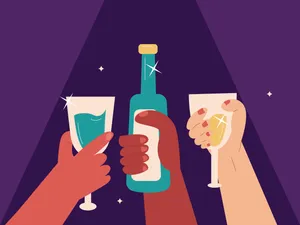
You can enjoy interesting conversations and entertaining activities whether you're holding champagne or cranberry juice. But the enjoyment comes from presence and authenticity, not from what's in your glass.
The sooner you accept that social sobriety is genuinely difficult, the sooner you can develop strategies that actually work rather than pretending it's easy and feeling like a failure when it's not.
It's hard. Do it anyway. It gets better.

Book a free discovery call. We'll talk honestly about where you are and whether my approach fits what you need.
If we're a good match, we'll work together. If not, we'll know and maybe I can point you toward someone or something else.
Either way, you'll have clarity about your next step.