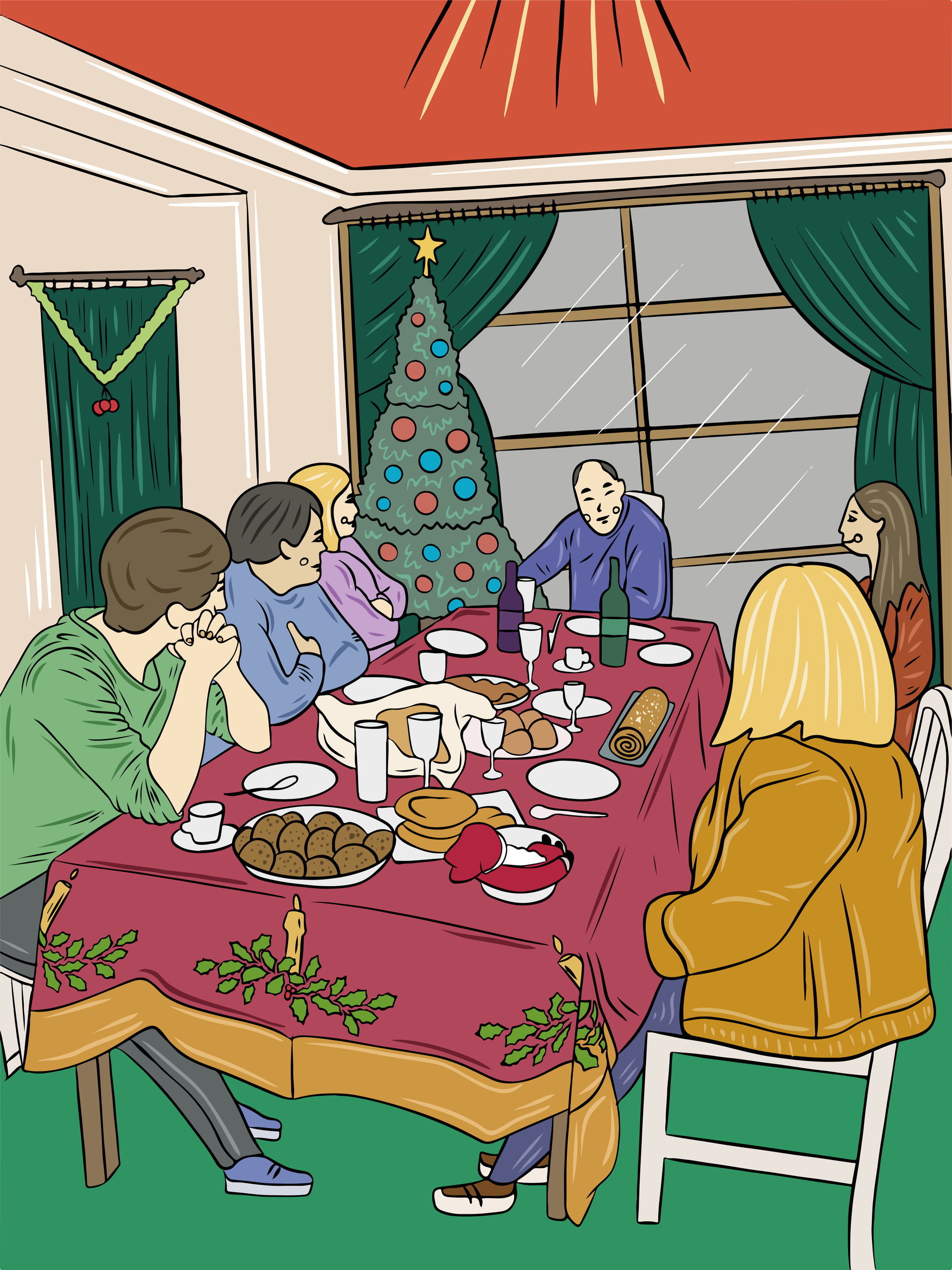
Picture your typical Christmas Day.
By mid-afternoon, you're bloated, drunk, exhausted. No energy left for anything that matters. You crash on the couch for a long nap while life continues around you.
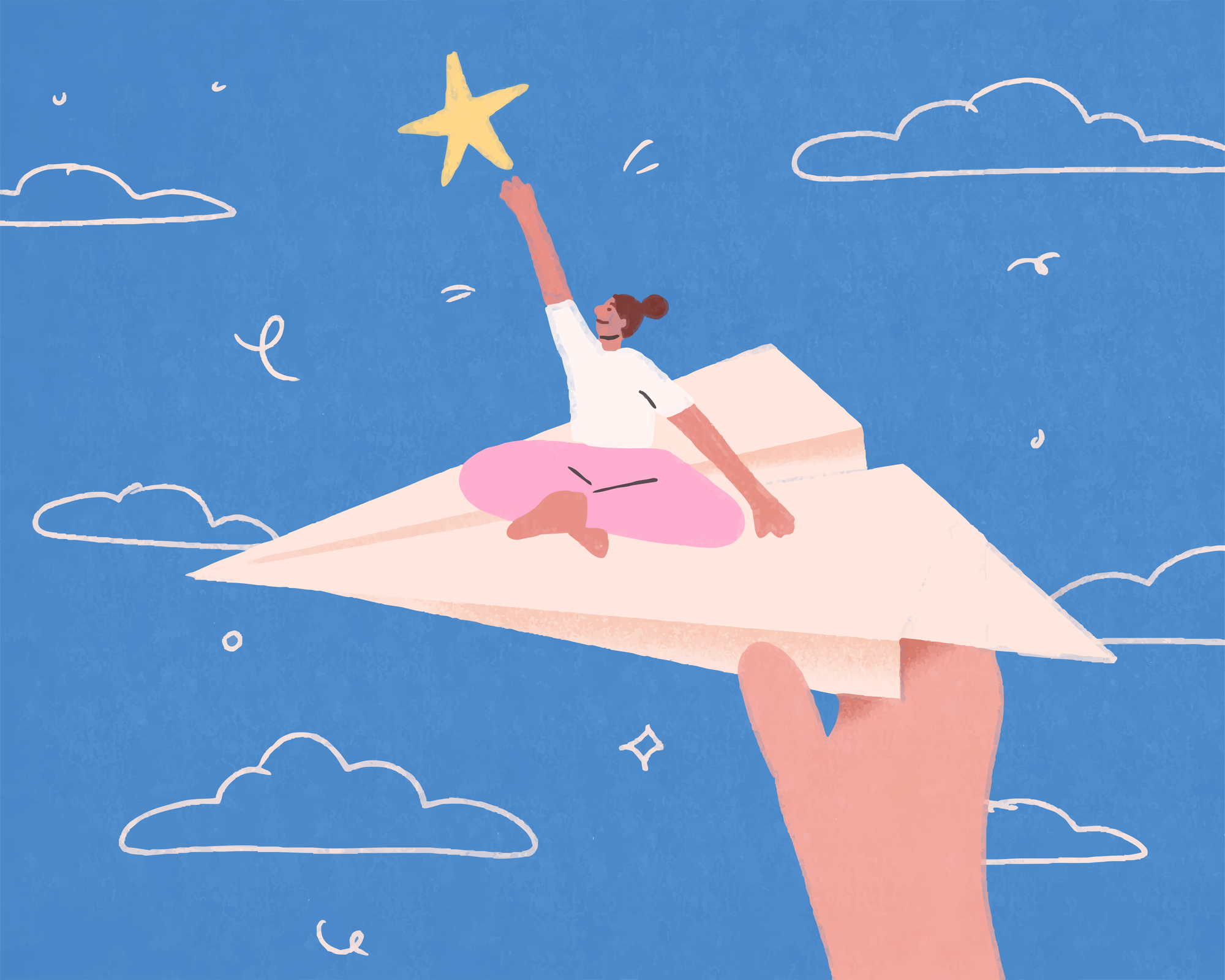
Now imagine removing a huge weight from your back.
That's what alcohol-free holidays actually feel like.
Instead of surviving Christmas, you experience it fully. You have energy to help prepare meals, clean up afterward. At the exact moment you would have crashed and burned, you're taking a walk outside.
This is what I mean when I say sobriety is privilege, not punishment.
The weight you didn't know you were carrying
For years, I thought alcohol made holidays better. More festive. More bearable. More celebratory.
I was wrong about all of it, you know?
Alcohol didn't enhance anything. It numbed me to what was actually happening. The food I didn't really taste. The conversations I didn't fully hear. The moments I experienced through an ethanol-soaked filter that made everything slightly blurry and significantly less real.
I didn't know I was carrying this weight because I'd been carrying it so long it felt normal.
Then I stopped drinking. And the first sober Christmas felt like someone had lifted a massive burden I hadn't realised was crushing me.
Most people think holiday sobriety means missing out. They imagine white-knuckling through family gatherings and office parties. Dull. Grinding. Sacrificial.
The reality flips this completely.
You're not missing out. Everyone else is missing out. They're experiencing a diminished version of the holiday while thinking they're enhancing it.
What nobody tells you about drunk celebrations
Here's what I noticed watching people drink through holidays after I stopped: they're not actually enjoying themselves more. They're tolerating discomfort by numbing it.
Awkward family dynamics? Drink through them. Stressful cooking situations? Wine makes it better. Boring conversations with relatives you see once a year? Alcohol creates the illusion of connection.
But none of those problems get solved. They get postponed. Numbed. Pushed beneath the surface where they continue festering until next year's gathering.
Meanwhile, the actual positive moments - genuine laughter, meaningful conversation, beautiful food, real connection - get experienced through that same numbing filter.
You can't selectively numb. When you dull the difficult emotions, you dull all emotions. The joy becomes muted joy. The love becomes fuzzy love. The presence becomes partial presence.
Sobriety doesn't just remove the negative effects of alcohol. It restores full-spectrum experience.
During the holiday season, when stress levels spike and emotional intensity increases, this restoration matters more than ever. You're choosing presence over numbness. Energy over exhaustion. Connection over disconnection.
Not because you're virtuous. Because it's objectively better.

What authentic holiday joy actually looks like
My first sober Christmas, I woke up on Christmas morning with clarity I hadn't experienced on that day in years. Possibly decades.
No hangover. No fog. No regret about what I'd said the night before at the so-called family gathering.
Just clear-headed presence.
I tasted my breakfast. Actually tasted it. The coffee was extraordinary. Had it always been that good, or had I just never been present enough to notice?
I helped prepare dinner. Not grudgingly, not counting down until I could pour another drink, but genuinely engaged in the process. Chopping vegetables became meditative rather than tedious.
Conversations with family members deepened. Without alcohol removing my social anxiety, I initially felt more awkward. But that awkwardness gave way to actual intimacy. Real questions. Genuine listening. Connection that didn't require chemical facilitation.
The day lasted longer. Not in the dragging, endless way that bad days last. In the full, rich way that good days expand to contain more experience.
By evening, when I would normally have been drunk, exhausted, collapsed on the couch in a food-and-alcohol coma, I had energy. I went for a walk. Watched the winter sky. Felt grateful for being alive and present.
The act of not drinking had become more wonderful than drinking ever was.
This isn't about deprivation. It's about discovering what you've been missing.
The preparation nobody mentions
I won't tell you alcohol-free holidays are easy. They're not always. Especially the first one.
You'll face questions. Pressure. Well-meaning relatives who think one drink won't hurt. Your own deeply ingrained associations between celebration and alcohol.
Here's what actually helps: honesty about difficulty instead of pretending it's simple.
I didn't map my holiday calendar and develop specific strategies for each challenging event. I acknowledged that everything felt challenging and gave myself permission to leave early, say no, to protect my sobriety fiercely.
I didn't practice polite responses about sparkling water. I told people directly: "I don't drink alcohol anymore. It doesn't serve me." Most were fine with it. Some weren't. Their discomfort wasn't my problem to solve.
I didn't bring my own alcohol-free alternatives to gatherings to avoid awkwardness. I brought them because I deserved something enjoyable to drink. The awkwardness belonged to people who made my sobriety weird, not to me for being sober.
The real preparation isn't tactical. It's philosophical.
You prepare by getting crystal clear on why sobriety matters to you. Not to anyone else. To you specifically.
When you know your why deeply, the how becomes easier. Not easy. Easier.
Creating new traditions through subtraction
The best traditions I've built around sober holidays aren't additions. They're subtractions.
I subtracted the afternoon alcohol crash, which created space for winter walks that became sacred.
I subtracted hangovers, which opened Christmas morning to peaceful presence instead of damage control.
I subtracted blurred memories, which meant I actually remember last year's holidays. And the year before. And the year before that.
These aren't replacement activities for drinking. They're the life that emerges when drinking stops stealing your capacity.
Alcohol-free holidays give you opportunity to build traditions around what truly matters. Connection. Gratitude. Presence.
But you don't build these through force. You build them by removing what was preventing them from existing naturally.
When you stop numbing yourself, you become available for genuine experience. That availability is the foundation. Everything else follows.
The energy nobody believes until they experience it
People don't believe me when I describe the energy difference.
They think I'm exaggerating. Performing "recovery enthusiasm." Making sobriety sound better than it is to justify my choice.
Then they experience one sober holiday season and understand.
The energy gain isn't subtle. It's dramatic.
You sleep better, so you wake refreshed instead of wrecked. You eat more mindfully, which stabilises energy instead of creating blood sugar chaos. You stay hydrated, which keeps your mind sharp instead of foggy.
This energy compounds throughout the holiday season.
You have capacity for activities you used to skip. Patience for conversations you used to avoid. Enthusiasm for traditions you used to endure.
Most significantly, you have energy at the exact moments when drunk you would have collapsed. Mid-afternoon on Christmas Day. Late evening on New Year's Eve. The morning after any celebration.
Those moments become gifts instead of casualties.
You transform from someone who survives the holidays to someone who creates them.
What this actually costs
I won't pretend sober holidays cost nothing. I guess they do.
You lose the easy social lubricant that makes awkward family dynamics bearable. You lose the chemical escape from difficult emotions. You lose the cultural script that says celebration requires alcohol.
You lose the comfortable numbness that made everything slightly less intense.
In exchange, you gain everything else.
Full presence. Clear memory. Genuine connection. Energy that doesn't crash. Mornings that don't require recovery. The satisfaction of being fully alive in your own experience.
The trade isn't even close.
But you have to be willing to feel the cost before you experience the gain. You have to sit with awkwardness, difficulty, intensity without reaching for the bottle.
That willingness defines the difference between white-knuckling through sober holidays and actually experiencing them as privilege.
Your choice, genuinely
The choice is yours. You can continue the cycle of holiday drinking, afternoon crashes, blurred memories. Or you can discover what authentic celebration feels like.
I won't tell you which to choose. That's yours to decide.
But I will tell you this: if you choose sobriety, even just experimentally for one holiday season, you'll discover something remarkable.
The holidays don't need alcohol to be meaningful. You needed alcohol to tolerate how you were experiencing them.
Remove the alcohol, and you're forced to address what wasn't working. The difficult family dynamics. The unrealistic expectations. The performative celebration that never felt genuinely joyful.
This confrontation is uncomfortable. It's also liberating.
You get to rebuild festive experience around what actually matters to you. Not what culture says should matter. Not what tradition demands. What genuinely creates meaning and joy in your specific life.
Imagine waking up January 1st with clear memories of every meaningful moment. No regrets about things you said or did. No recovery period needed.
Just the satisfaction of having been fully present for your own life.
Your relationship with holidays can transform completely. Instead of needing alcohol to get through them, you experience them as the privilege they actually are.
This is your invitation to discover what's possible when you remove that weight from your back.
Your phenomenal holiday season is waiting.
Not because holidays are inherently phenomenal. Because you'll finally be present enough to make them so.
Book a free discovery call. We'll talk honestly about where you are and whether my approach fits what you need.
If we're a good match, we'll work together. If not, we'll know and maybe I can point you toward someone or something else.
Either way, you'll have clarity about your next step.