I was sixteen when I chose nuclear disarmament as my personal project topic at school. And that's going back a bit now.
Now, this wasn't a popular choice. Not in my school. Not in my very middle to upper class area where such views were considered dangerously left-wing. Communist, even.
I didn't care. The Campaign for Nuclear Disarmament mattered to me. I believed in it. So I built my display stand, gathered my materials, and prepared to present something I genuinely cared about.
The abuse started almost immediately. Classmates mocked me. Teachers raised eyebrows. Someone vandalised my display stand, tearing down parts of my carefully constructed work. And so it went.
I could have switched topics. Could have chosen something safer, more acceptable, less controversial. Something that wouldn't make me a target.
I didn't.
I repaired my display. I presented my project. I stood alone in my conviction that this mattered, regardless of what everyone around me thought.
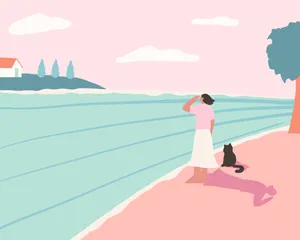
That experience taught me something fundamental about courage. Real courage isn't about being fearless. It's about believing in something enough to stand by it when standing alone feels unbearable.
The isolation of being right
There's a particular loneliness that comes with holding an unpopular position. Not the loneliness of being wrong and stubborn about it. The deeper loneliness of knowing you're right while watching everyone dismiss you.
You question yourself constantly. Maybe they're right and you're wrong. Maybe you're being difficult for no reason. Maybe you should just conform, fit in, choose the easier path.
But then you return to what you actually know. What you've experienced. What you've seen work.
And you realise the crowd's consensus doesn't make them correct. It just makes them loud.
I've lived this pattern repeatedly throughout my life. Standing apart. Choosing the unpopular position. Facing criticism for refusing to conform.
And here's the thing, it showed up again in my approach to sobriety.
When recovery demands conformity
Traditional recovery culture has strong opinions about the "right way" to get sober. Attend meetings. Work the steps. Count your days. Follow the program. Don't question the methods that worked for others.
These approaches help many people and I'm not dismissing their value.
But they don't work for everyone. And when they don't work for you, the message often becomes: you're not doing it right. You're not committed enough. You're not ready.
The problem must be you, not the method.
I've watched this dynamic destroy people. I've experienced it myself. The shame of feeling like a failure because a one-size-fits-all approach didn't fit you.
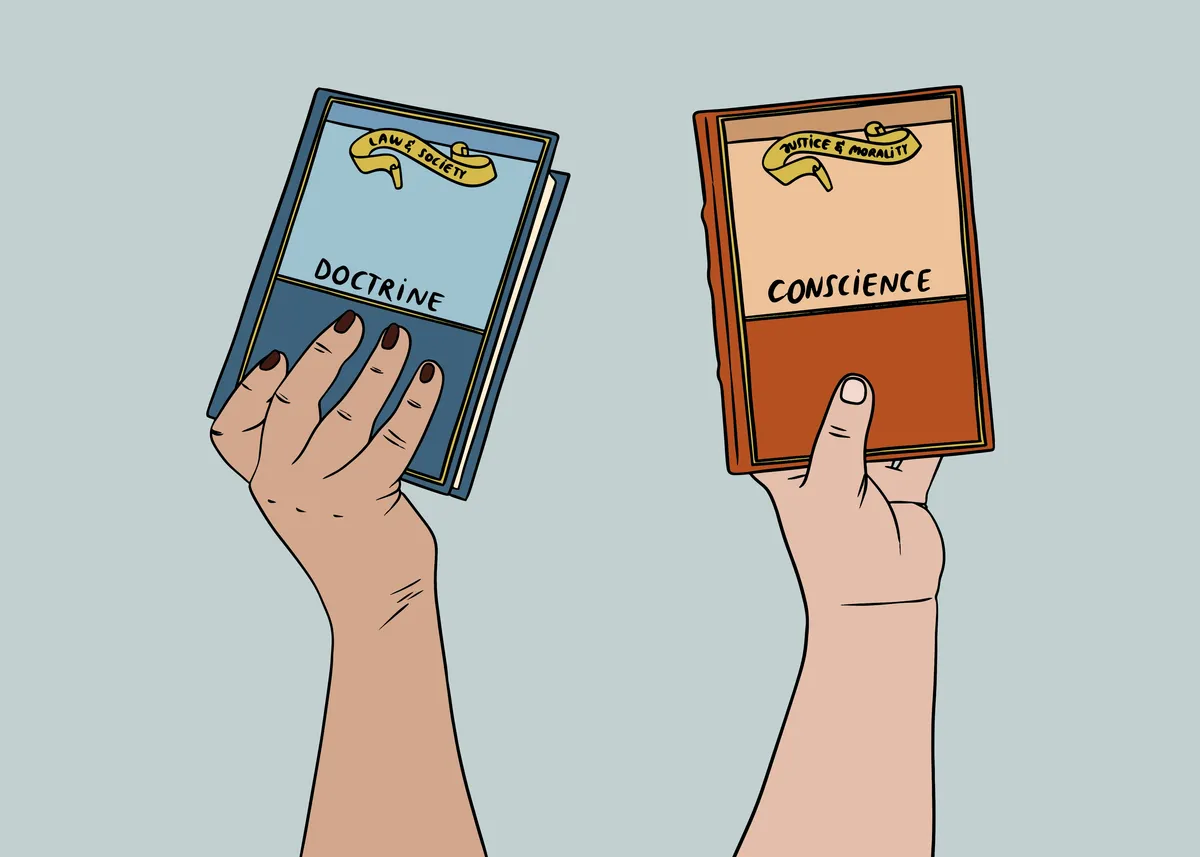
So I chose a different path. One that centred individual experience over collective doctrine. One that treated sobriety as privilege rather than punishment. One that measured transformation through quality of life rather than day counts.
This made me contrarian. Again.
The criticism came. "You're undermining proven methods." "People need structure, not permission to do whatever feels good." "You're giving people excuses to fail."
Believe me, I've heard echoes of my sixteen-year-old self facing abuse over a CND display stand on more than one occasion.
The difference was experience. By this point in my life, I'd learned to trust my conviction even when standing alone.
The strength required to choose your own path
Here's what most people don't understand about choosing an unconventional approach to recovery: it requires more strength, not less.
Following the established path gives you community support. Validation. The comfort of knowing millions of people have walked this road before you.
Choosing your own path means questioning everything. It means facing doubt from others and yourself. It means taking full responsibility for your choices without the safety net of "I was just following the program."
It's harder. Much harder.
But for some people, it's also the only path that actually works.
When traditional recovery felt like wearing someone else's clothes, I could have forced myself to fit. Could have white-knuckled my way through methods that didn't resonate. Could have pretended the emperor's new clothes looked magnificent.
I didn't.
I chose to build something that actually fit. Something based on meaning-making, personal agency, and the revolutionary idea that sobriety should feel like freedom, not imprisonment.
This could be relevant to you
If you're struggling with sobriety, you might be facing your own moment of choice.
The world is full of people telling you exactly how to do this. Exactly which steps to follow. Exactly what your recovery should look like.
Some of that advice might serve you well. Use what works.
But if you're finding that the conventional path doesn't fit, you're not broken. You're not failing. You're not "not ready."
You might just need a different approach.
And choosing that different approach will require courage. The kind of courage that led a sixteen-year-old to rebuild a vandalised display stand and present it anyway.
You'll face doubt. From others, definitely. From yourself, almost certainly.
People will tell you you're doing it wrong. That you need to follow the proven path. That your individual experience matters less than collective wisdom.
You'll question whether you're being wise or just being stubborn.
How to know the difference
There's a crucial distinction between productive contrarianism and destructive stubbornness.
Productive contrarianism comes from genuine conviction based on experience. You've tried the conventional approach. You've given it honest effort. You've discovered it doesn't serve you. You're choosing something different because you have evidence it works better for you.
Destructive stubbornness comes from ego or fear. You refuse the conventional approach because admitting you need help feels like weakness. You dismiss proven methods without trying them. You choose "your own path" as an excuse to avoid real change.
The difference matters.
I advocate for individualised recovery because I've seen conventional methods fail too many people. Because I've experienced the freedom of building an approach that actually fits. Because research supports the idea that recovery looks different for different people.
Not because I enjoy being contrarian for its own sake.
Ask yourself honestly: Are you choosing your own path because it genuinely serves your transformation? Or because following any path feels too vulnerable?
The answer will tell you whether your contrarianism is courage or avoidance.
Standing alone together
Here's the paradox: choosing your own path doesn't mean walking it completely alone.
When I stood by my CND project despite the abuse, I wasn't actually alone. Somewhere in the world, thousands of people believed what I believed. They just weren't in my immediate environment.
The same applies to recovery.
If conventional approaches don't fit you, you're not the only person who's ever felt this way. You're part of a different community. One that values individual experience over collective dogma. One that measures success by transformation rather than conformity.
Finding that community matters. Not because you need permission to choose your path, but because isolation makes everything harder.
With Phenomenal, I've built a space for people who don't fit traditional recovery moulds. People who need something different. People who have the courage to stand alone but deserve not to feel lonely.
The display stand still stands
I sometimes think about that vandalised project. How easy it would have been to give up. How much simpler my school experience might have been if I'd chosen a safer topic.
I'm glad I didn't.
Not because I changed anyone's mind about nuclear disarmament. Most of my classmates probably still thought I was wrong.
But because I learned something irreplaceable: I could trust myself even when everyone disagreed. I could stand by my convictions even when standing hurt.
That lesson has served me in countless ways since. In my personal sobriety. In building Phenomenal. In helping others find their own paths.
Your recovery journey might require the same courage. The strength to stand alone when necessary. The conviction to choose what actually works for you rather than what you're told should work.
It won't be easy. Standing alone never is.
But the alternative - conforming to methods that don't serve you, measuring yourself against metrics that don't matter, forcing yourself into someone else's version of recovery - that's harder.
The courage to stand alone isn't about being oppositional. It's about being authentic.
And authenticity, I've learned, is worth defending. Even when you have to rebuild the display stand. Even when the crowd disagrees.
Your transformation is too important to outsource to conventional wisdom.
Stand by it. Even when standing alone.
Especially when standing alone.

Book a free discovery call. We'll talk honestly about where you are and whether my approach fits what you need.
If we're a good match, we'll work together. If not, we'll know and maybe I can point you toward someone or something else.
Either way, you'll have clarity about your next step.