Everyone focuses on health benefits when they talk about quitting alcohol. Better sleep. Clearer mind. Improved liver function.
Fine. All true.
But very few people talk honestly about money. The actual financial reality of drinking versus not drinking.
Let me show you the numbers. Then let me show you what those numbers actually mean.
What you're actually spending
A glass of wine with dinner every night. Seems modest, right? Civilised. One bottle lasts a few days. Hmm, yeah, right.
Let's do the maths. One bottle of decent wine costs around £10. If you're drinking a glass nightly, that's roughly two bottles per week. That's £1,040 per year.
Just on wine with dinner. The "moderate" drinking everyone claims is healthy.
Now add weekend drinking. Pub nights. Social occasions. That bottle you open Friday evening that's mysteriously empty by Sunday.
The numbers escalate quickly.
A night out at the pub - £50 to £100 depending on where you are and what you're drinking. Do that weekly and you're spending £2,600 to £5,200 per year just on going out.
Most heavy drinkers are spending £5,000 to £10,000 annually on alcohol. Some significantly more. At my worst I was spending over £10,000!!!
That's not including the ancilliary costs. The takeaway you ordered drunk. The Uber home because you couldn't drive. The Amazon orders. The replacement phone after you dropped yours. The ruined clothes. The broken things.
Add it up honestly and the number becomes staggering.

But the savings aren't actually the point
Here's where every article about financial benefits of sobriety goes wrong: they celebrate the savings like that's the victory.
"Look how much money you'll save! You can buy a car! Take a vacation! Invest for retirement!"
True. But also completely missing what matters.
The money you spent on alcohol wasn't the problem. The life you were buying with that money was the problem.
You weren't just purchasing drinks. You were purchasing numbness. Escape. Social lubrication. Chemical courage. Temporary relief from whatever you were avoiding.
When you stop drinking, you don't just save money. You have to find different ways to meet those needs. Or realise those weren't actually needs at all.
This is harder than just accumulating savings.
What you're actually buying when you drink
Let's be honest about what alcohol purchases.
Social confidence for people who feel awkward sober. Stress relief for people who don't have healthy coping mechanisms. Celebration enhancement for people who don't know how to feel joy naturally. Sleep assistance for people whose anxiety won't shut off.
These are real needs. Alcohol addresses them effectively enough, if temporarily.
When you stop drinking, those needs don't disappear. You have to meet them differently. This costs money too, just differently.
Therapy to address the anxiety you were self-medicating. Gym membership for the stress relief you were drinking away. Social activities that don't centre on alcohol, which often cost more than just buying rounds at the pub.
The financial equation is more complex than simple subtraction.
The healthcare cost nobody mentions
Most articles mention that sobriety reduces healthcare costs because you're healthier. True but incomplete.
The real healthcare savings come from not having alcohol-related incidents. Not needing the A&E visit after you fell drunk. Not requiring the therapy after the anxiety spiral. Not paying for the antidepressants addressing depression that alcohol was causing.
These costs are hidden because they don't present as "alcohol costs." They're just healthcare expenses that happen to correlate with drinking.
When you stop drinking, you might discover you don't actually need half the medical interventions you thought were necessary. The insomnia improves. The anxiety reduces. The depression lifts.
Or you might discover you need different interventions. Therapy to address what you were numbing. Treatment for underlying conditions you were masking.
Either way, the healthcare cost equation changes. Not necessarily decreases - just changes.

Productivity and earning potential
Sobriety does improve productivity. And this is measurable.
You're not hungover. You sleep better. Your cognitive function improves. Your energy is consistent rather than crashing mid-afternoon.
This productivity increase can translate to higher earnings. Better job performance. More opportunities. Career advancement that wasn't possible when you were drinking heavily.
But here's what nobody mentions: early sobriety can temporarily decrease productivity.
You're dealing with emotional intensity you were numbing. Processing years of avoided feelings. Learning new coping mechanisms. This is exhausting.
Your productivity might drop before it increases. Your earnings might stagnate while you stabilise. This is normal and necessary.
The financial benefit comes later, after you've done the hard work of rebuilding yourself.
Legal costs you're avoiding
Drinking increases legal risk. DUIs. Public intoxication. Alcohol-related incidents that require legal intervention.
These costs can be enormous. Solicitor fees. Fines. Court-ordered programs. Lost wages from missed work. Increased insurance premiums.
Sobriety eliminates these risks entirely. You'll never get a DUI sober. You'll never need legal representation for drunk behaviour.
This saving is real and significant. It's also embarrassing to calculate because it requires admitting the risks you were taking.
Most people don't want to acknowledge they were one bad night away from life-altering legal consequences. But they were. Sobriety removes that threat completely.
The relationship cost nobody calculates
Drinking damages relationships. This has financial implications people don't consider.
Broken relationships lead to divorce, which is financially devastating. Strained family connections lead to reduced support networks, which costs money when you need help. Lost friendships mean losing the social capital that creates opportunities.
These costs are diffuse and hard to quantify. They're also real.
Sobriety can repair these relationships. Better relationships create stronger support networks. Stronger networks create opportunities. Opportunities create financial benefit.
But this takes time. The relationship repair happens slowly. The financial benefit emerges gradually.
You can't just stop drinking and expect your marriage to immediately improve or your friendships to magically restore themselves. You have to do the work of rebuilding trust and connection.
That work is free financially but expensive emotionally.

Time as currency
Drinking consumes time in ways people don't fully recognise either.
Time drinking. Time hungover. Time recovering. Time planning around drinking. Time dealing with consequences of drinking.
Add it up honestly and heavy drinking can consume 10-20 hours per week. Sometimes more.
Sobriety returns that time. But time isn't automatically valuable. It's only valuable if you use it well.
You can spend your newly available time building skills, developing relationships, pursuing interests. Or you can spend it scrolling social media feeling bored because you don't know what to do with yourself now that you're not drinking.
The time is the same. The value depends entirely on what you do with it.
What sobriety actually costs
Here's what articles celebrating financial benefits often fail to mention: sobriety costs money too.
Not as much as drinking. But it's not free.
You might need therapy to address underlying issues. Gym membership for healthy stress relief. New social activities that don't centre on alcohol. Hobbies to fill the time drinking consumed.
Books about recovery. Courses to develop new skills. (I can recommend a good one here...) Travel to places that support your sobriety rather than challenging it.
These costs are investments rather than expenses. They're building something rather than destroying something. But they're still costs.
The financial equation of sobriety isn't "save all the money you spent on alcohol." It's "redirect money from destruction to construction."
The maths works out better. But it's not simple subtraction.
The real financial benefit
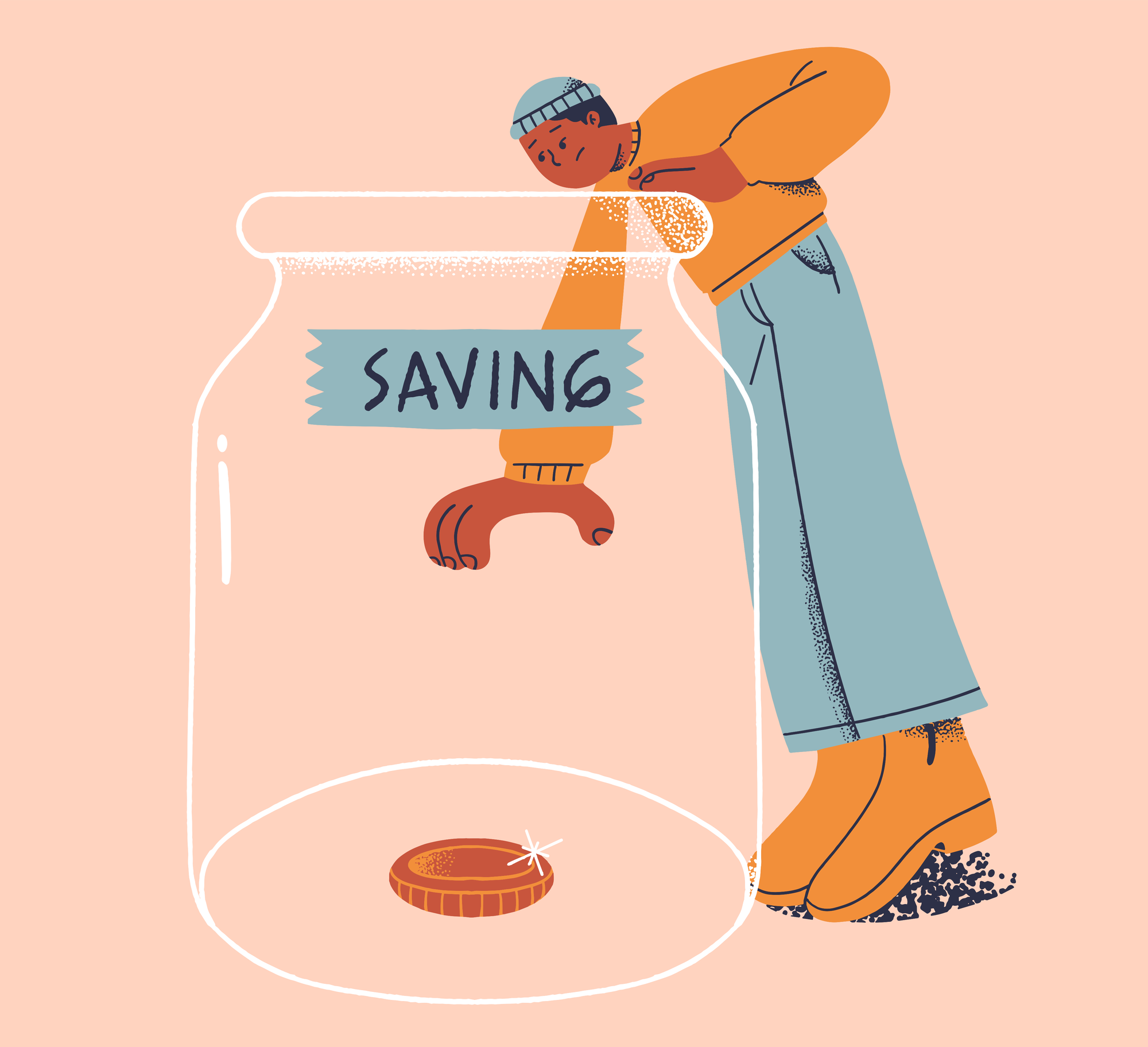
The actual financial benefit of sobriety isn't the money you save. It's the financial agency you gain.
When you're drinking heavily, money controls you. You need money for alcohol. You spend recklessly when drunk. You make poor financial decisions under influence.
Sobriety returns financial control. You make deliberate choices about spending. You invest in things that actually matter. You build wealth rather than pour it down your throat.
This agency is worth more than the specific amount you save.
Someone who saves £5,000 per year but feels deprived isn't better off than someone who redirects £5,000 into building a meaningful life.
The question isn't "how much will I save?" It's "what will I build with the resources I'm no longer destroying?"
What you're actually buying with sobriety
When you stop spending money on alcohol, you free up resources to spend on everything alcohol prevented you from becoming.
Education. Skills. Experiences. Relationships. Health. Creative pursuits. Personal growth.
These investments compound differently than alcohol consumption.
Alcohol consumption provides temporary relief that requires constant repurchasing. Investment in yourself provides lasting return that continues growing.
The financial benefit isn't just having more money. It's using money to build rather than destroy. To create rather than numb. To invest rather than consume.
The calculation nobody makes
Here's the financial question I think actually matters: What is your potential worth if you're not spending years in alcoholic fog?
What could you earn, create, build, become if you had full cognitive function, consistent energy, genuine relationships, and clear purpose?
That number is impossible to calculate precisely. But it's certainly higher than whatever you're spending on alcohol.
The financial benefit of sobriety isn't what you save. It's who you become when you're no longer pouring your resources - financial and otherwise - into destruction.
That's worth more than any spreadsheet can capture.
What this actually means
If you're calculating whether sobriety is "worth it" financially, you're asking the wrong question.
The right question is: What do you want to build with your life, and is alcohol helping or hindering that construction?
The money will work itself out. Either you'll save it or you'll redirect it into building something that matters.
Either way, you'll have financial agency instead of financial chaos. Resources directed toward creation instead of destruction. Investment in future rather than consumption of present.
That's the actual financial benefit.
Not the number in your bank account. The fact that you're finally in control of where that number goes.

Book a free discovery call. We'll talk honestly about where you are and whether my approach fits what you need.
If we're a good match, we'll work together. If not, we'll know and maybe I can point you toward someone or something else.
Either way, you'll have clarity about your next step.