When I first started developing Phenomenal Sobriety, I kept running into the same problem: how do I talk about sobriety in a way that doesn't immediately make people want to run in the opposite direction?
The traditional recovery vocabulary is loaded with baggage. Words like "relapse," "rock bottom," "powerless," and "disease" carry weight that can feel overwhelming before someone even begins their journey. What if the very language we use to discuss recovery is part of what makes it feel so daunting?
This realisation led me down a fascinating path of exploration into metaphor, world-building, and the psychology of transformation. What I discovered has fundamentally shaped how Phenomenal works - and why its working so well.
The Problem with Recovery Language
Think about how we typically talk about addiction and recovery:
- You "hit rock bottom"
- You're "powerless" over alcohol
- You "relapse" when you drink again
- You're "in recovery" (implying it never ends)
- You "surrender" to a higher power
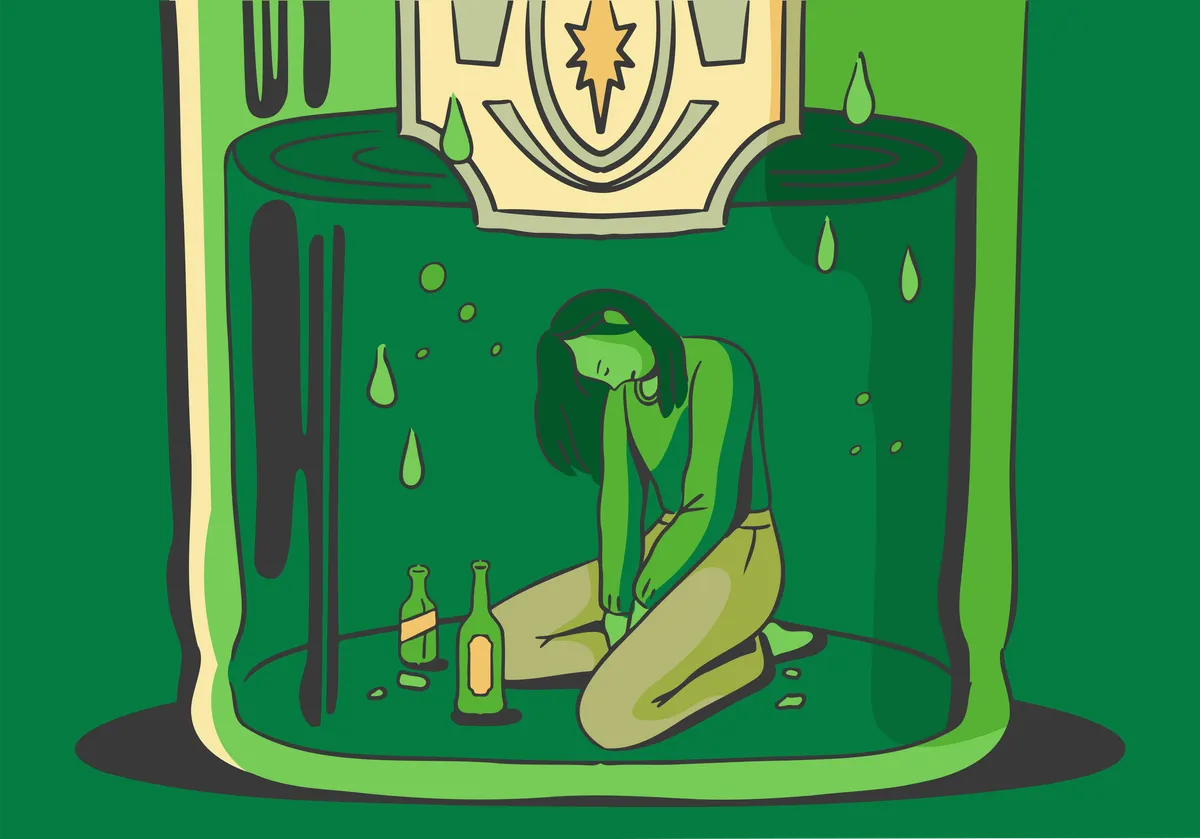
Every single one of these metaphors positions the person as passive, defeated, or fundamentally broken. They create a world where sobriety is about damage control rather than growth, endurance rather than empowerment.
Is it any wonder that so many people avoid seeking help, or struggle to maintain motivation when they do?
Creating a New World
Instead of working within this limiting framework, I decided to build an entirely new conceptual world for the Phenomenal experience. This wasn't just about changing a few words - it was about creating a complete alternative reality where sobriety becomes something you actively choose and embrace.
In the Phenomenal world:
- You don't "hit rock bottom" - you reach a turning point
- You're not "powerless" - you discover your personal agency
- You don't "relapse" - you have learning moments
- You're not "in recovery" - you're becoming Phenomenal
- You don't "surrender" - you reclaim your power
To my mind, each metaphor shift opens up new possibilities for how someone can think about their journey.
The Journey Metaphor
Perhaps the most important metaphor I’ve incorporated is framing sobriety as a journey of discovery rather than a battle to be won. This single shift changes everything:
Traditional Approach: "Fighting addiction" suggests an enemy that must be defeated through constant vigilance and willpower.
Phenomenal Approach: "Embarking on a journey" suggests adventure, growth, and moving toward something better.
Journeys have:
- Destinations (your alcohol-free future)
- Guides (coaching support)
- Fellow travellers (community)
- Maps (the THRIVE system)
- Milestones (progress celebrations)
- Views along the way (small wins and insights)
This metaphor naturally creates engagement rather than resistance.
Growth vs. Deprivation
Traditional recovery often frames sobriety as giving something up - a fundamentally deprivation-based model. My metaphorical world-building flips this completely.
In Phenomenal, alcohol isn't something you're "giving up" - it's something that's been getting in the way of who you really are. Sobriety isn't about loss; it's about growth, expansion, and becoming.
I’m using gardening metaphors extensively, for example:
- Planting seeds of change
- Nurturing new growth
- Pruning what no longer serves
- Harvesting the fruits of your transformation
This creates a completely different emotional landscape around the experience.
The Privilege Frame
The phrase "sobriety is a privilege, not a punishment" has become central to Phenomenal because it represents a complete metaphorical reframe.
Punishment frame: Something imposed upon you that you must endure.
Privilege frame: Something valuable that you get to experience.
This single shift changes how people approach every aspect of their journey - from daily challenges to social situations to long-term goals.
Practical Applications
These aren't just pretty words - they translate into tangible differences in how the program works:
Progress Tracking: Instead of counting "days sober" (which implies you're serving time), Phenomenal tracks "days of growth" and celebrates milestones as achievements.
Challenge Reframing: Difficult moments aren't "triggers" that threaten your sobriety - they're "growth opportunities" that strengthen your skills.
Community Language: Members aren't "recovering alcoholics" - they're "Phenomenal people" on a journey of transformation.
Goal Setting: Instead of focusing on what you're not doing (drinking), I focus on what you're becoming (your future self).
The Neurological Impact
There's some pretty solid science behind why this matters. Our brains literally respond differently to different metaphorical frameworks:
- Threat-based language activates stress responses and fight-or-flight mechanisms
- Growth-based language activates learning centres and creative problem-solving
- Journey metaphors engage forward-thinking and planning regions
- Achievement language triggers reward systems and motivation
By changing the metaphorical landscape, we're literally changing how the brain processes the sobriety experience.
Tangible Results
Thus far the impact of this metaphorical world-building shows up in several measurable ways:
Engagement: People are excited to participate rather than resistant to the process. Comments like "I look forward to my Phenomenal sessions" are quite common.
Persistence: When challenges arise, people see them as part of the journey rather than evidence of failure. This dramatically reduces dropout rates.
Identity Shift: Instead of identifying as "someone with a drinking problem," participants begin identifying as "someone becoming Phenomenal."
Social Confidence: The language gives people a positive way to talk about their journey with others, reducing shame and increasing support.
Building Your Own World
The most exciting thing about this approach for me is that it's not just about the words I use in the program - it's about helping people build their own positive conceptual world around sobriety.
When someone completes Phenomenal, they don't just have new habits and coping strategies. They have an entirely new way of thinking and talking about their relationship with alcohol. They have a story of transformation rather than a story of struggle.
The Ripple Effect
This metaphorical reframing doesn't just change individual experiences - it's beginning to influence how families, friends, and communities talk about sobriety. When someone in your life is "becoming Phenomenal" rather than "struggling with addiction," it changes how you support them.
I’m seeing participants become ambassadors for this new way of thinking, spreading the message that sobriety can be something to celebrate rather than something to endure.
Looking Forward
The world-building work I’ve done with Phenomenal is just the beginning. As more people experience this reframed approach to sobriety, I’m creating a cultural shift in how society thinks about alcohol, addiction, and recovery.
Imagine a world where:
- People are excited to explore sobriety
- Families celebrate growth rather than worry about relapse
- Communities support transformation rather than manage problems
- Society sees sobriety as sophisticated rather than limiting
That's the world I’m building, one Phenomenal journey at a time.
The language we use shapes the reality we experience. By consciously crafting metaphors that empower rather than diminish, we're not just changing how people talk about sobriety - we're changing how they experience it.
What metaphors have shaped your own relationship with change? I'd love to hear your thoughts in the comments below.
David Henzell is the founder of Phenomenal, a revolutionary sobriety program that uses innovative metaphorical frameworks to make lasting change feel natural and achievable. Learn more at phenomenalsobriety.com