You haven't stopped drinking yet. Maybe you're still having your nightly wine. Maybe you had a beer last night. Maybe you're reading this with a hangover.
And yet, something is already different.
You're here. You're reading this. You're considering the possibility that life could be different. That you could be different.
Here's what most people don't realise: that consideration? That curiosity? That quiet voice asking "what if?"
That's already transformation.
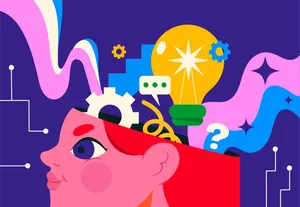
The moment you start exploring sobriety - even if you haven't committed, even if you're skeptical, even if you're terrified - you've already stepped onto a different path. Your brain is already beginning to rewire. Your identity is already starting to shift.
This isn't motivational fluff. It's psychology. And understanding this changes everything about how you approach getting sober.
The Pre-Contemplation Shift
In the psychology of change, there's a stage called "contemplation" - when you're thinking about making a change but haven't committed yet. Most people think this is just preparation. A waiting room before the real work begins.
But research shows something remarkable: contemplation isn't passive. It's active transformation.
Every time you:
- Read an article about sobriety
- Notice how you feel after drinking
- Wonder what life would be like without alcohol
- Feel that small flutter of "maybe I could..."
You're literally creating new neural pathways. You're beginning to see yourself differently. You're expanding what feels possible.
Why This Is Important
Traditional recovery often frames sobriety as a dramatic before/after: you're drinking, then you stop, then you're sober. Clean break. Day one. Start over.
But that's not how transformation actually works.
Real change is gradual and cumulative. It starts with curiosity, builds through exploration, grows with small experiments, and solidifies through practice. By the time you officially "quit drinking," you've already done substantial psychological work.
Understanding this does three crucial things:
1. It removes the pressure of the "perfect moment"
You don't need to wait until you hit rock bottom. You don't need to have everything figured out. You don't need to feel 100% ready. The exploration itself is progress.
2. It validates where you are right now
If you're reading this but haven't stopped drinking, you're not failing. You're not wasting time. You're in a legitimate stage of transformation. This matters. This counts.
3. It reveals the power of language and framing
Notice how different this feels from websites that talk about "admitting powerlessness" or "surrendering to your disease"? That language shapes your experience. When you frame sobriety as discovery rather than deprivation, as growth rather than restriction, your nervous system relaxes into possibility.
Activity: Notice Your Shifts
This is a simple but powerful awareness exercise. You're going to track the small changes that are already happening - before you've officially stopped drinking.
Grab a pen and paper.
Over the next week, notice and record:
1. Awareness Shifts
- When do you notice your drinking differently than before?
- What thoughts about alcohol surprise you?
- When do you catch yourself questioning what you used to accept?
Example: "I noticed I was pouring my second glass automatically,
without even wanting it. That's new - I never saw that before."
2. Curiosity Moments
- When do you wonder about sober life?
- What possibilities feel interesting (even if scary)?
- What questions are you asking that you didn't ask before?
Example: "I found myself wondering what I'd do with Saturday
mornings if I wasn't hungover. Actually felt excited about that."
3. Language Changes
- How are you talking about drinking differently?
- What words are you using now vs. before?
- Notice shifts from certainty ("I need a drink") to questions ("Do I actually want this?")
Example: "I used to say 'I deserve a drink.' Now I'm thinking
'Do I deserve better than this?' Different question entirely."
4. Identity Whispers
- When do you catch yourself imagining being "someone who doesn't drink"?
- What parts of that identity feel attractive?
- What feels scary about it?
Example: "Saw someone at a party with sparkling water and
thought 'That could be me.' Didn't dismiss it immediately."
At the end of the week, look at what you've noticed.
You're not trying to make anything happen. You're just documenting the transformation that's already in motion.
What This Exercise Reveals
If you've done this exercise honestly, you might be surprised by how much is already shifting.
You're not the same person who started reading about sobriety weeks ago. You're noticing things you didn't notice. You're asking questions you didn't ask. You're imagining possibilities you didn't see.
That's not preparation for change. That is change.
Here's why this matters practically: when you do decide to stop drinking, you won't be starting from zero. You'll have weeks or months of psychological groundwork already laid. You'll understand your patterns. You'll know your triggers. You'll have practiced seeing yourself differently.
The people who succeed at sobriety aren't the ones who wake up one day with perfect motivation and superhuman willpower. They're the ones who've been quietly transforming for weeks or months before they take the official step.
You're already one of them.
The question isn't whether you can change. The question is: how do you want to continue the change that's already happening?
Where To Go From Here
Now that you see your transformation is already in motion, here's how to keep that momentum:
1. Keep Noticing Continue the awareness practice. The more you see, the more changes.
2. Get Curious About Your Patterns What triggers your drinking? What are you actually seeking?
3. Connect With What Matters Revisit your values. What does sobriety give you access to? What Really Matters to You?
4. Build Your Vision What does your alcohol-free life actually look like? Get specific.
5. Talk To Someone Who Gets It Sometimes you need to process this shift with someone who understands the nuance of where you are.

Book a free discovery call. We'll talk honestly about where you are and whether my approach fits what you need.
If we're a good match, we'll work together. If not, we'll know and maybe I can point you toward someone or something else.
Either way, you'll have clarity about your next step.