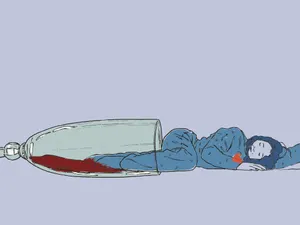
Everyone asked about my drinking. Nobody asked if I was happy.
Doctors checked my liver. Family counted my units. Friends made quiet comments at dinner. All of them watching the glass - watching the amount, watching how often, watching what it meant. But none of them asked what I was running from. None of them asked what I was trying to feel. None of them asked what was missing.
If someone had asked that question years earlier - what's actually missing here - it could have changed everything.
The Wrong Questions
When you're drinking too much, everyone becomes an expert on what you should do about it. Stop drinking. Cut back. Set limits. Track units. Swap wine for water. Go to meetings. Get therapy. Take medication. Try hypnotherapy. Download an app. The suggestions are endless, well-meaning, and almost entirely focused on one thing: the drinking itself.
But here's what I realised when I finally got sober: the drinking was never the story. It was the symptom.
Think about that distinction for a moment. A symptom is what shows up on the surface. A story is what's actually happening underneath. When you treat the symptom without understanding the story, you're not solving anything. You're just managing the appearance of the problem.
I spent years in that space. Managing the appearance. Cutting back on weekdays so I could justify drinking heavily on weekends. Switching to wine so I looked more sophisticated. Drinking at home so nobody had to see it. Counting days of moderation like they were achievements instead of recognising that moderation itself was the problem - because moderation was just a slower way of telling myself the same lie. The lie being: I need this to function. But nobody asked me that. Nobody asked why I needed it. Nobody asked what I was trying to solve by drinking. Nobody asked what was broken that alcohol was temporarily fixing. They just watched the glass.
What Nobody Asks
The real conversation - the one that would have changed everything - would have sounded like this: "What are you running from?" Not accusatory. Not clinical. Just genuinely curious.
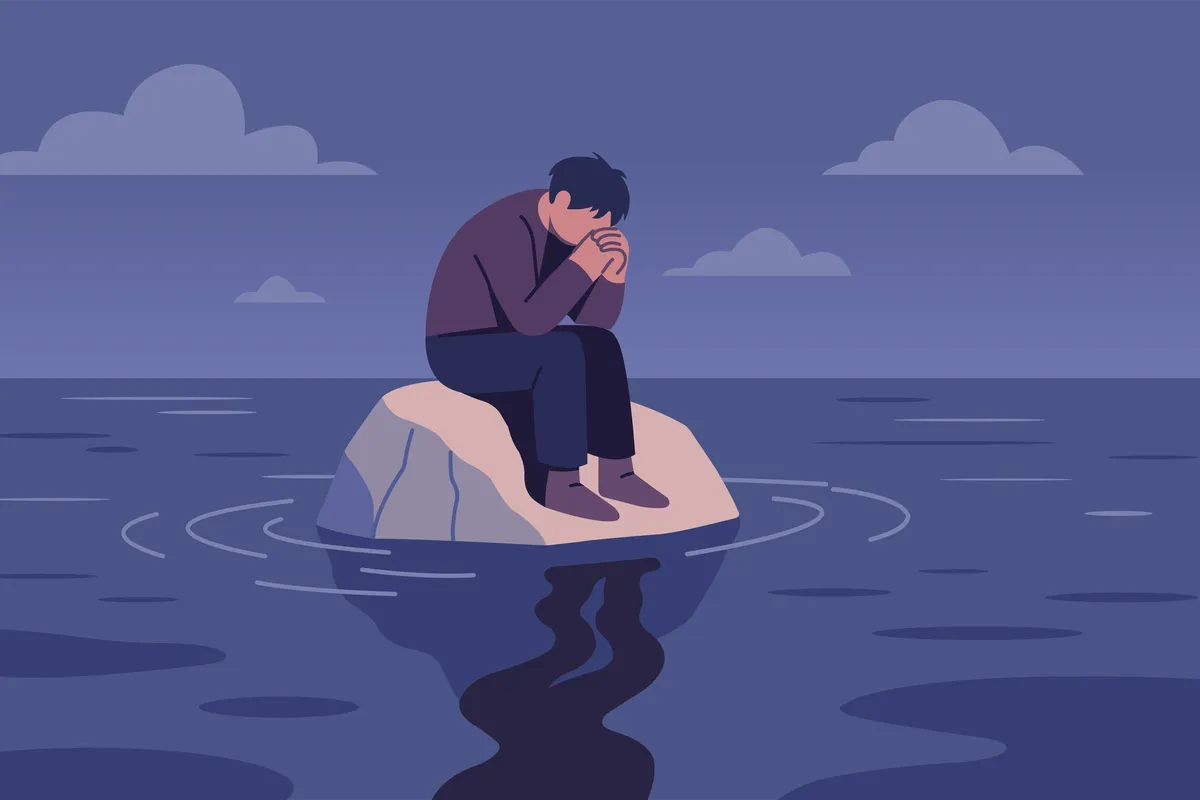
Because I was running from something. I was running from pressure. From expectations. From the gap between who I'd convinced everyone I was and who I actually felt like. From a life that looked right on paper and felt hollow when I was living it. I had the career. I had the house. I had the car, the credentials, the respect. On paper, it all looked phenomenal. But inside, something was missing.
And I didn't know how to say that out loud. I didn't know how to admit that success didn't feel like success. That I was exhausted by performing a version of myself that everyone else seemed to believe in. That I was terrified someone would discover that behind the accomplished professional was someone who had no idea if he was actually happy. So I drank. Not because I was weak. Not because I lacked discipline. Not because I was broken or needed fixing. But because it was the only way I knew to make that feeling - that hollow, undefined, unnamed feeling - go away for a few hours. Nobody asked me about that feeling. They just watched the glass go up and down.
The Question That Changes Everything
Years later, when I finally found someone who asked the right question, everything shifted.
Not "How much are you drinking?"
Not "Why can't you just stop?"
Not "Don't you realise what you're doing to your health?"
But: "What's missing?"
That question landed differently. It wasn't about the drinking. It was about me.
What's missing from your life that you're trying to fill with alcohol?
What part of yourself are you avoiding?
What would it mean to actually feel fulfilled, and why does that feel impossible?
I had to sit with those questions. Really sit with them. And the answers weren't comfortable.
What was missing was presence. Real, genuine presence in my life. I was physically there but mentally checked out because I was either drunk or thinking about when I could drink next.
What was missing was purpose beyond the professional achievements. I'd built a successful career in advertising, but I'd never asked myself if that's what I actually wanted. I was running on momentum and other people's expectations.
What was missing was authenticity. I was living as a character I'd created - the successful guy, the confident one, the one who had it all figured out. But that character was exhausting to maintain.
What was missing was permission to be something other than what I'd promised everyone I'd be.
The drinking was my way of creating a temporary escape from all of that. A few hours where I didn't have to be anyone. Where I could just... exist without the weight of expectation.
But escape is temporary. And every time the escape wore off, the weight came back heavier.
The Realisation
When I finally understood that the drinking wasn't the problem - it was the solution to a problem I hadn't named - everything changed.
Because once you name the problem, you can actually do something about it.
The problem wasn't that I drank too much. The problem was that my life felt hollow, and I didn't know how to fix it, so I was using alcohol to make myself not care about the hollow feeling.
That's a completely different conversation.
If someone had asked me that question - what's missing - years earlier, I wouldn't have needed to white-knuckle through meetings or weekends. I would have been able to start asking myself the real questions much sooner. What do I actually want my life to look like? What am I genuinely passionate about, separate from what everyone else expects me to be? What does authenticity actually feel like? What would it mean to build a life that felt as good as it looked?
Those aren't drinking questions. Those are life questions. But they're the questions that matter.
Why Everyone Misses It
Here's what I think happens. When someone starts drinking too much, everyone around them focuses on the most visible thing - the drinking. It's concrete. It's measurable. It's something you can point to and say, "There's the problem." It's much harder to say, "I think you might be missing something in your life and that's why you're using alcohol as a crutch."
That requires curiosity instead of judgment. It requires seeing the person, not the behaviour. It requires asking questions instead of offering solutions. It's also harder because it might reveal uncomfortable truths. If I admitted I was unhappy, if I admitted the life I'd built wasn't actually fulfilling, if I admitted I didn't know who I was outside of my professional identity - that opened up a much bigger conversation. It's easier to focus on the drinking. But easier isn't the same as helpful.
The Conversation That Matters
I think about all the people right now who are in the position I was in. Not necessarily drinking heavily, but using alcohol to manage something unnamed. To escape something unspoken. To fill something missing. Their families are watching the glass. Their doctors are checking their livers. Their friends are making comments. And nobody's asking: What's actually missing?
That's the question that changes everything. Because once you answer it - once you get clear on what's missing and what you've been running from - you can start to actually address it. Not by removing alcohol. But by building a life so full of meaning, purpose, authenticity, and genuine connection that alcohol stops being necessary. That's not deprivation. That's discovery. That's not "I can't drink." It's "I don't need to."
An Invitation
If you're reading this and you recognise yourself in it - if you're the person who drinks to escape something you can't name, if you're running from something you can't admit, if there's a gap between how your life looks and how it feels - I want to ask you the question that nobody's asked yet.
Not: How much are you drinking? But: What's missing? What part of your life feels hollow? What are you running from? What would it mean to actually feel fulfilled? These aren't easy questions. They don't have quick answers. They might make you uncomfortable. But they're the questions that matter.
Because the drinking was never the story. It was the symptom. And once you understand that, everything changes.
If you're ready to explore what's actually missing and what it would take to build a life so full that alcohol stops being necessary, that's a conversation I'm genuinely interested in having. Because I've been where you are. And I know what it feels like when someone finally asks the right question.